Bodycam Gameplay: Modes, Movement and Combat
See how Bodycam gameplay works, including its body-camera movement, lethal firefights, limited HUD, seven multiplayer modes, drones and tactical team play.
Quick answer: Bodycam gameplay is a lethal multiplayer FPS experience built around free weapon movement, minimal HUD information, photoreal maps, sound and teamwork.
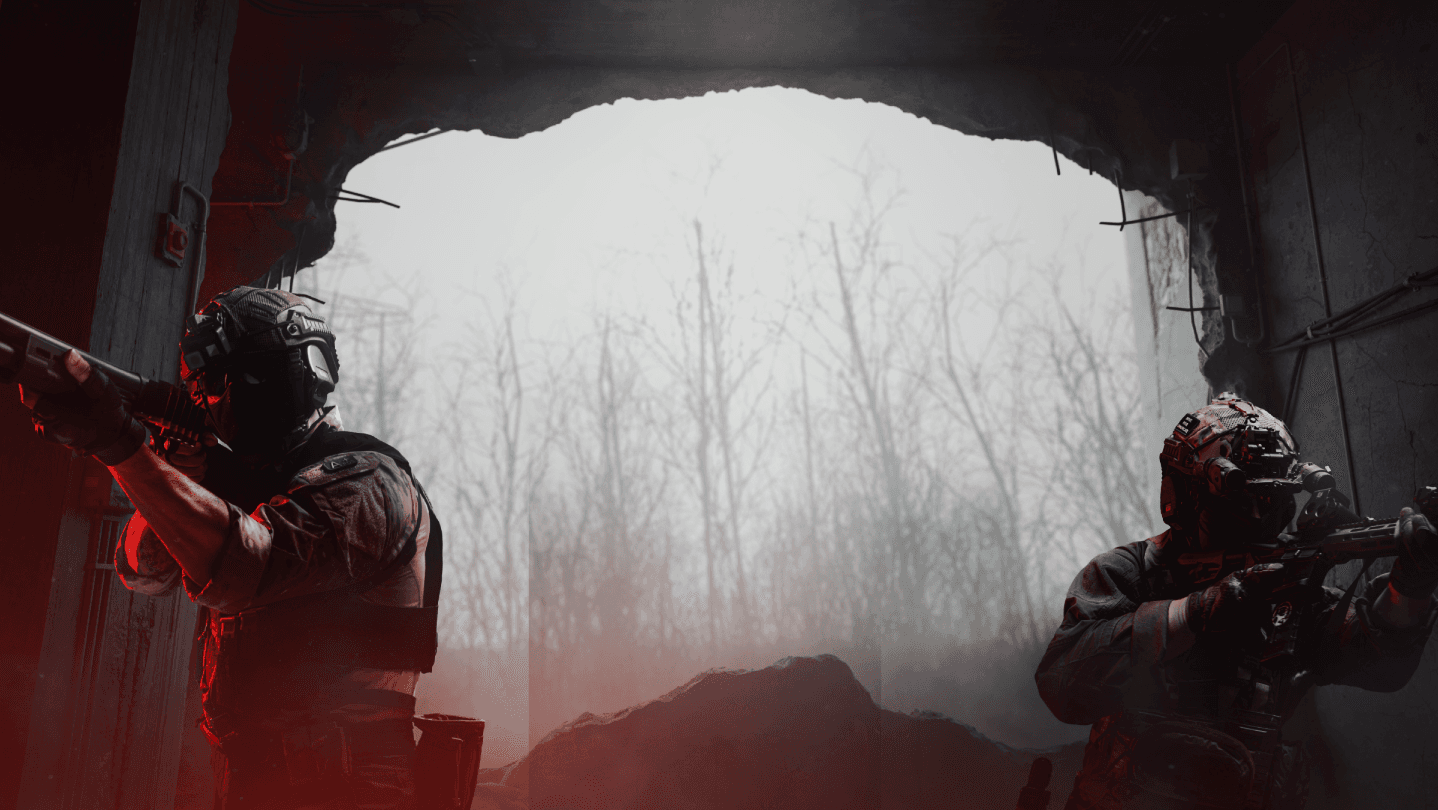
Bodycam gameplay is a tactical multiplayer FPS experience built around a true body-camera viewpoint, free weapon movement, extremely lethal firefights, photorealistic environments, and limited on-screen information. The official material focuses on team play, positioning, sound, and clutch skill rather than character abilities or an arcade-style HUD. Reissad Studio developed the game in Unreal Engine 5.
What Bodycam gameplay looks like
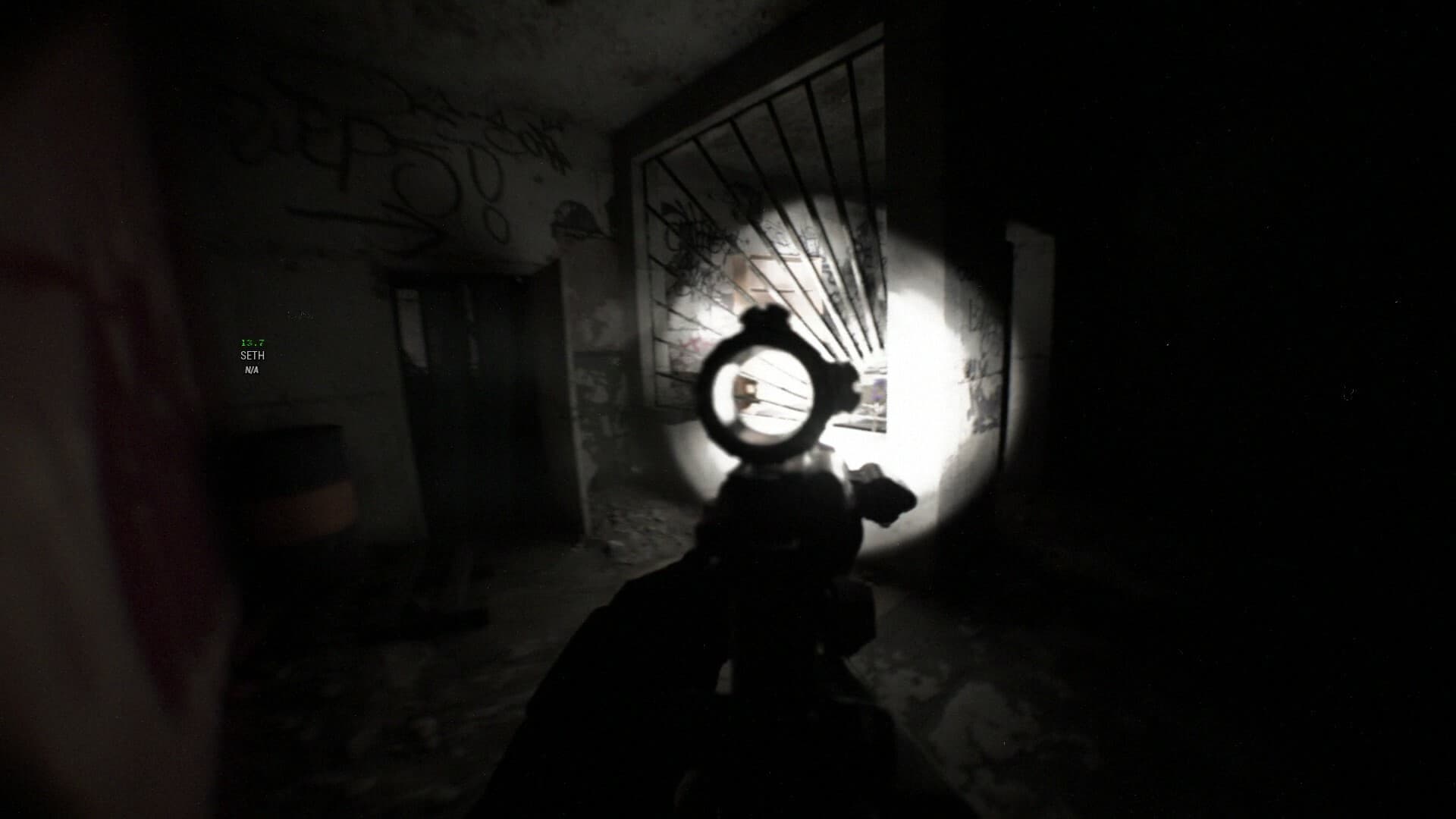
The camera is presented as if it were attached to the operator rather than floating at eye level like a traditional FPS camera. The official Steam description says close-quarters combat is raw and loud, with every angle, callout, and bullet able to decide the outcome. Current official promotional text also states that the game does not use a crosshair, ammunition counter, or conventional HUD.
Collected gameplay videos show the practical effect of that design: the weapon moves within the view, aiming down sights takes preparation, and dark interiors can hide opponents quickly. The footage also shows strong lighting changes, weapon flashlights, physical reactions when characters are hit, and very short times to death. Those observations describe the recorded builds; the exact behavior of later Early Access versions can change.
Movement and weapon handling
The collected beginner guide explains that the character naturally moves the head and weapon before turning the entire body. This is why Bodycam gameplay can initially feel as though the gun is not locked to the screen center. It is an intentional part of the body-camera presentation rather than evidence of a missing conventional crosshair.
Running also affects readiness. In the collected footage, players frequently struggle to raise or settle a weapon after aggressive movement, while slower clearing provides more time to identify a target. No universal sensitivity or movement configuration is confirmed in the supplied sources, so any numerical “best settings” claim would be 待确认.
Verified game modes
The current Steam material lists seven modes: Wingman, Body Bomb, Team Deathmatch, Deathmatch, Hardpoint, Gun Game, and Zombies. Team Deathmatch and Deathmatch provide familiar elimination formats, while Gun Game changes weapons as the player progresses. Hardpoint adds an area objective, and Wingman is described in the current official material as a tactical 2v2 search-and-destroy-style experience.
Body Bomb is a round-based objective mode in which one side handles an armed bomb and the other side attempts to stop or defuse it. The collected community guide says the bomb can be carried, dropped, armed, recovered, and defused, while eliminating the opposing team can also settle a round. Exact scoring or round settings can be changed by updates or server configuration and should be confirmed in the current client.
What happens after a player dies
The drone phase is one of the most distinctive elements shown in the collected material. In team modes, the beginner guide says a dead player can fly a drone, move vertically, use a light, and scout the map before entering a spectator phase. Living players can see and destroy these drones, so they are part of the match rather than an invisible spectator camera.
Collected footage shows players using drones to locate enemies and communicate positions. It also shows opponents shooting drones to deny that information. This turns death into an information role, but a careless drone can expose the position of a surviving teammate.
Team play matters more than the HUD
Bodycam’s limited interface means players cannot rely on the same indicators found in many competitive shooters. The collected gameplay commentary notes difficulty confirming kills and tracking surviving teammates, while the official description emphasizes callouts and team play. Sound becomes a core source of information because footsteps, shots, reloads, and environmental acoustics can reveal activity outside the visible lens.
That does not mean every audio behavior described by a player video is a permanent rule. Reissad Studio has announced sound-design work as part of v0.8 Locked & Loaded, meaning current propagation and mixing can change. Any precise sound-distance claim is therefore 待确认 unless it is tested again in the released build.
Maps, lighting, and visibility
Official materials describe photoreal maps inspired by or based on real locations, including buildings, forests, hospitals, and trench networks. Collected footage includes indoor houses, dark corridors, outdoor areas, changing light, and situations where a flashlight helps reveal a route. The same flashlight can also advertise the operator’s direction to an enemy.
Visibility is deliberately part of the challenge, but performance and display settings influence how readable the scene feels. The footage contains subjective comments about areas being too bright or too dark and about optimization problems in older builds. Those comments should be treated as player observations, not permanent technical specifications.
Zombies and cooperative play
Zombies is the verified cooperative PvE mode in the current game. Official copy describes round-based waves, ammunition management, areas that can be opened, power restoration, and increasingly dangerous infected. It is not presented in the supplied official information as a story campaign.
The Zombies mode expands Bodycam gameplay beyond competitive PvP while keeping the same visual and weapon-handling foundation. The exact map count, enemy roster, and current balance are 待确认 because the collected sources do not provide a stable, dated specification for all of them. Claims about named characters or a narrative were excluded.
The most accurate summary
Bodycam gameplay is best understood as a multiplayer tactical shooter where the presentation changes how players aim, read space, and communicate. Its realism comes from camera behavior, lighting, sound, weapon handling, limited information, and physical animation rather than from a confirmed claim that every system is a real-world simulation. The game remains in Early Access, so its systems can continue to change.
This page combines the two collected gameplay videos, the official Reissad and Steam descriptions, and the verified beginner guide. Profanity, repeated reactions, server-launch frustration, guessed weapon names, and unsupported conclusions from the transcripts were filtered out. The remaining details are limited to features or behavior supported by those collected materials.